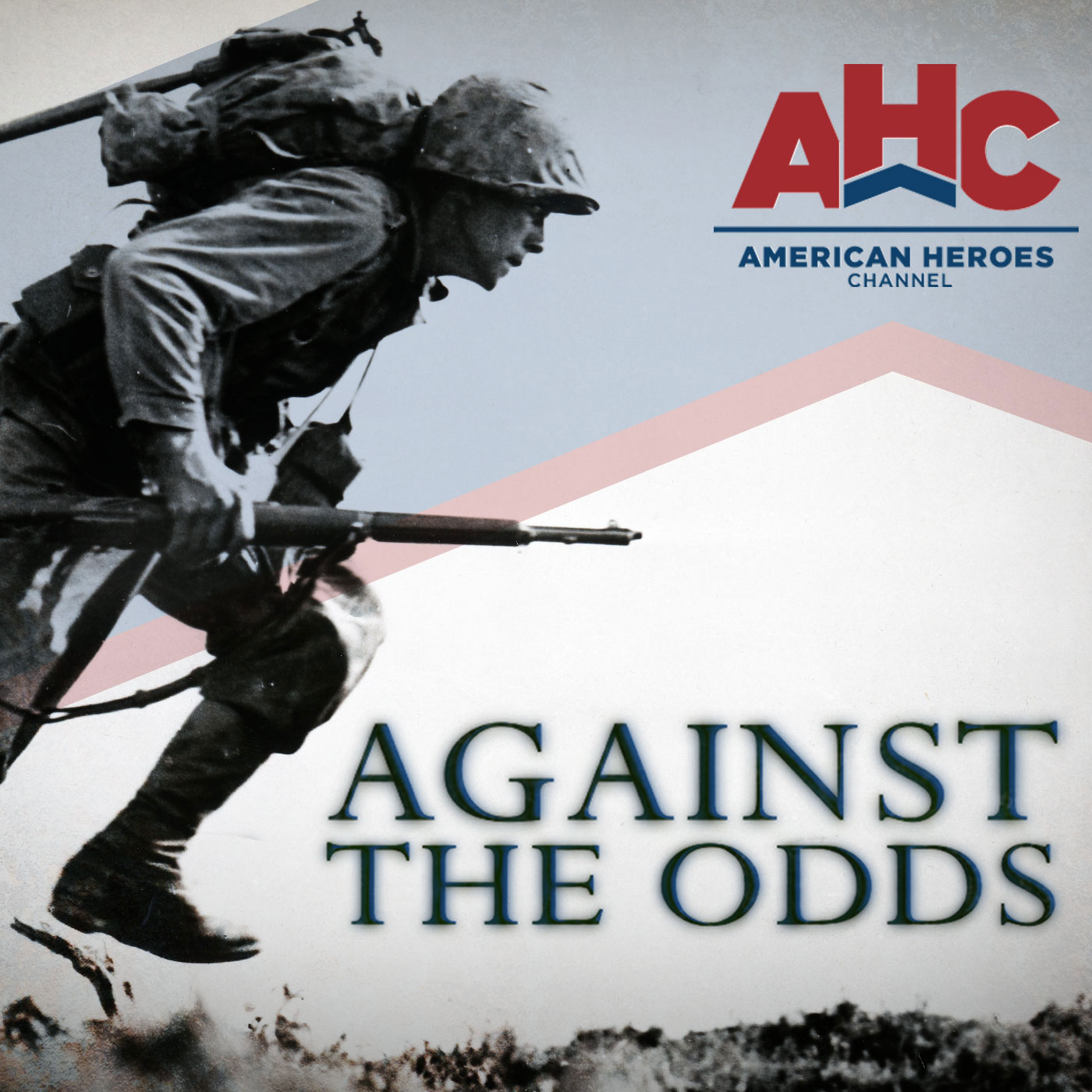
Against the Odds is military history built around moments when ordinary math stopped being useful. The units are small. The pressure is enormous. Shane Bowler narrates stories of soldiers sent to hold a hill, enter a city, rescue surrounded men, or survive an attack that should have broken them. The series moves quickly, but it stays anchored in place and circumstance. Hill 314 matters because of what it overlooks. Dog's Head matters because Charlie Company is low on ammunition and nearly out of time. Hue matters because Marines are pushed into a city held by a much larger force during the Tet Offensive. Chosin Reservoir matters because George Company is trapped and still trying to reach other Marines. The show repeatedly returns to the same hard pattern: tired men, bad odds, limited supplies, and no clean way out. It has a dramatic documentary style. The narration sets the stakes, then veteran voices add the texture: fear, disbelief, loyalty, pride, and grief. The episodes do not treat combat as neat or glamorous. They describe grenades, machine guns, mortar fire, wounds, body bags, and the lasting memory of men lost beside one another. The emotional center is brotherhood, though the copy is most powerful when it lets veterans explain that bond in plain terms. A listener hears how units such as Old Hickory, Fox Company, George Company, Charlie Company, and combat engineers are remembered through specific battlefield actions. The show favors decisive encounters over sweeping chronology. It is less concerned with every phase of a war than with the hour when a unit had to choose, hold, or move. World War II, Korea, Vietnam, and Iraq appear as settings for stories about endurance under command and chaos. Against the Odds suits listeners who want battlefield history with urgency, veteran testimony, and clear tactical stakes. It is blunt, reverent, and tightly focused on what soldiers did when retreat, rescue, and survival all seemed uncertain.